Result 2

Establishment and operation of Sustainable Blue Economy Centres for collaboration with blue industries, local authorities and other stakeholders

Result-2 aims to enhance the capacities of administrative and teaching staff of the 4 Asian Higher Education Institutions (HEIs) for active collaboration with stakeholders and to strengthen the partnership between HEIs and industry. The Result will address the mismatches between employer requirements and the offerings of HEIs. Additionally, it will facilitate the transfer of HEIs’ teaching and research outcomes to local coastal communities, thereby providing added social value.

The leader of Result-2 is Symplexis and the Result’s main tasks are:

  • Collection of successful Quintuple Helix frameworks/models from the partner EU MSs and/or other EU MSs, assessment of their transferability to the Asian context, and elaboration of recommendations for effective adaptation/replication.
  • Set up and operation of “Sustainable Blue Economy Centres”
  • Capacity building of HEIs administrative and/or academic staff on developing and sustaining collaboration frameworks
  • Identification of initial members and establishment of the collaboration “networks”
  • Analysis of skills needs in sectors of the sustainable blue economy
  • Knowledge transfer activities on sustainable blue economy for local coastal communities
Core Deliverables

The core deliverables of this Result include collecting successful Quintuple Helix models from EU Member States (MSs) and/or other EU countries, assessing their transferability to Asia, and recommending adaptations. The four Asian higher education institutions (HEIs) will establish “Sustainable Blue Economy Centres” to foster cooperation between academia, industry, authorities, and other stakeholders. HEI staff will receive appropriate training to develop and maintain collaboration frameworks. The Centres will map stakeholders, form networks, analyse skills gaps, and conduct knowledge transfer activities tailored to local needs and challenges.

Updates:

Report of successful Quintuple Helix frameworks/models

This report presents a consolidated analysis of the data collected through primary and secondary research activities realised by the project partners in Greece (Aegean Rebreath, University of Aegean, Symplexis) and Cyprus (University of Cyprus, CSI Centre for Social Innovation). It comprises an overview of the EU and national contexts on the blue economy, followed by a detailed presentation of the identified best practices and an analysis of the interview findings.

Recommendations for the effective adaptation/replication of Quintuple Helix models/practices

The document presents recommendations for adapting successful European Quintuple Helix models to Malaysia and Indonesia for a sustainable blue economy. It explores best practices from Greece and Cyprus, addressing their potential replication, local adaptation, and the challenges involved.

Capacity building programme for HEIs’ staff on developing and sustaining collaboration with stakeholders

The Capacity Building Programme aims to equip administrative and academic staff of Higher Educational Institutions (HEIs) with knowledge and skills on how to more effectively develop and sustain collaborations with stakeholders. The programme is organised in nine modules covering various aspects of stakeholder collaboration, and includes activities such as quizzes and case studies, to make learning more engaging and interactive.

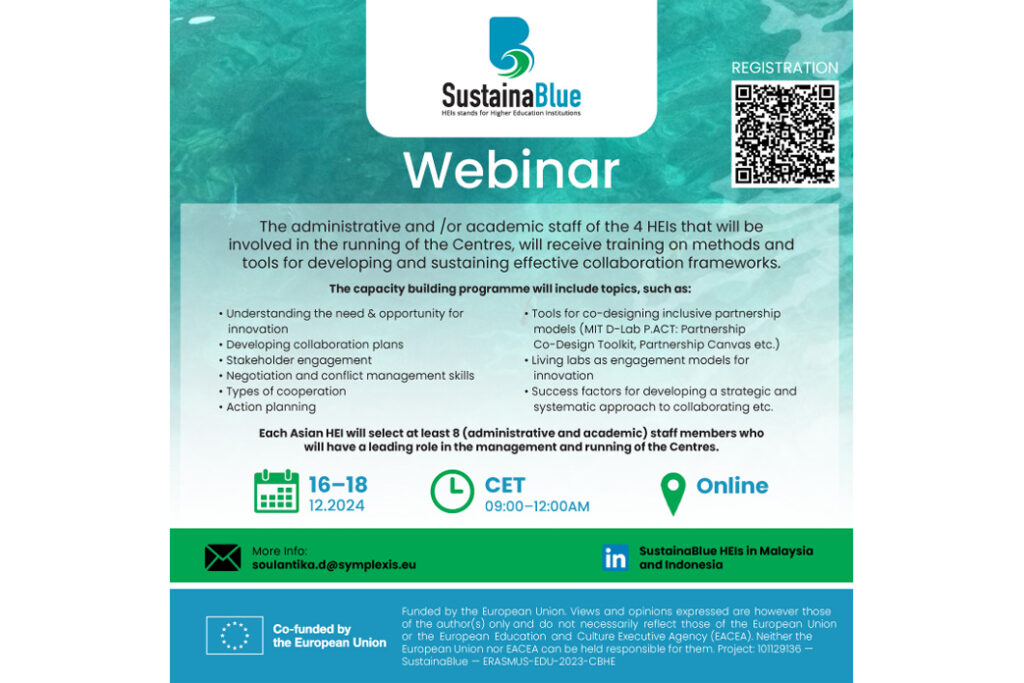
Webinars for HEIs staff on developing and sustaining collaboration with stakeholders

In December 2024 three 3-hour webinars were organised by Symplexis, Aegean Rebreath, and University of Cyprus. The webinars were addressed to the four HEIs’ academic and administrative staff, and were focused around developing and sustaining collaboration frameworks, as part of the operation of the Sustainable Blue Economy Centres.

Set up and operation of Sustainable Blue Economy Centres (SBECs)

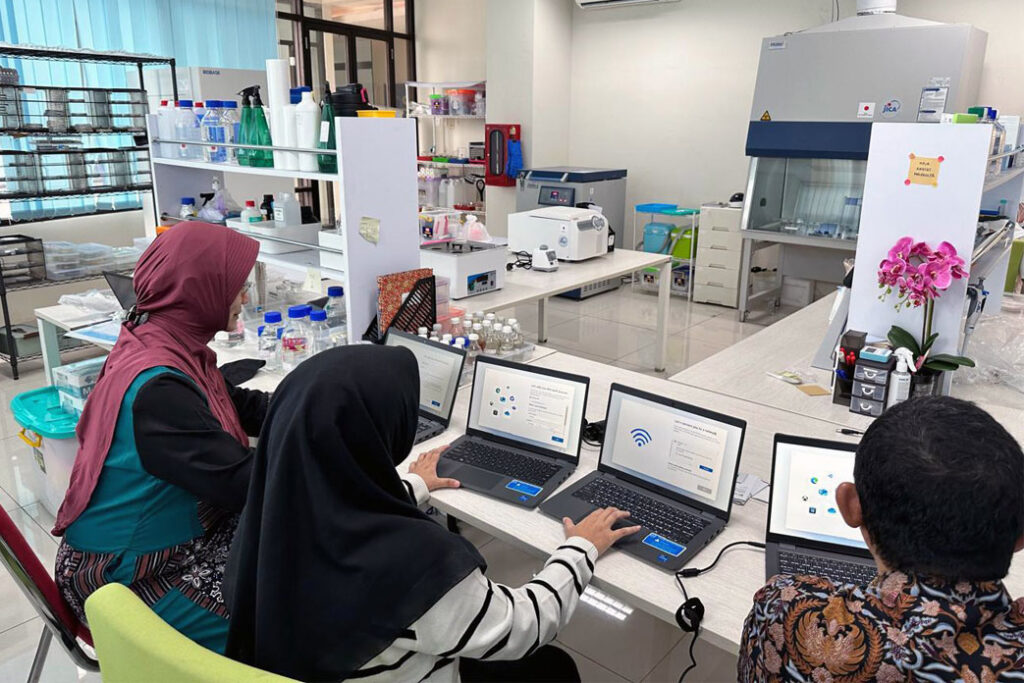
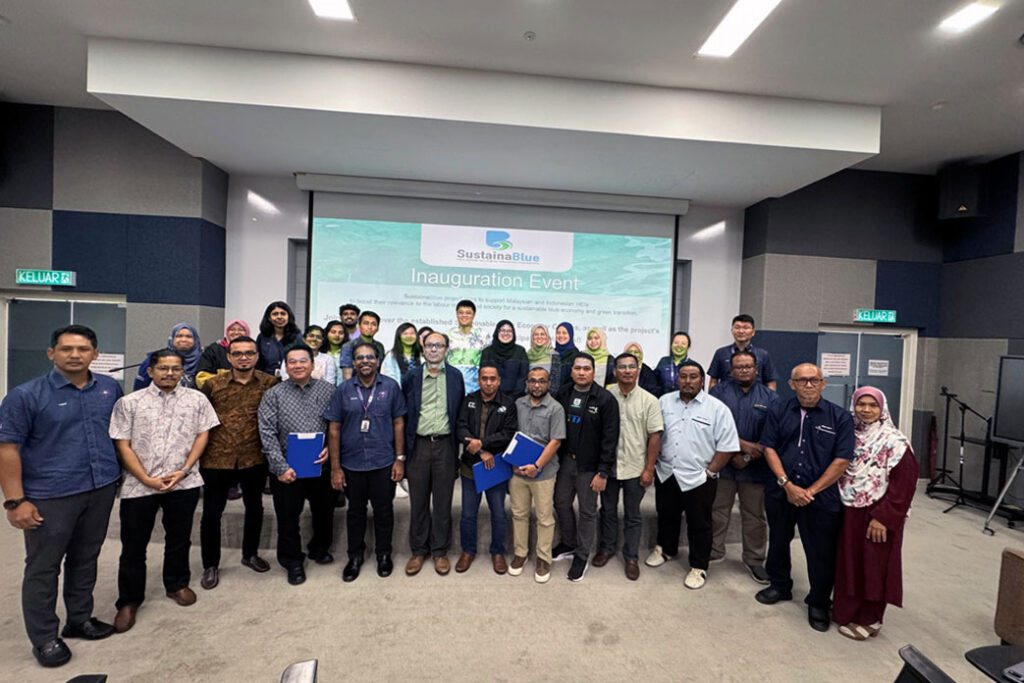
Each of the four Asian HEIs established a Sustainable Blue Economy Centre (SBEC) to initiate a new kind of cooperation, co-creation, and co-production of knowledge and innovation between HEIs, blue industries, local authorities, and relevant stakeholders. Guided by a common framework and clear mandates, these in-house structures are fully equipped with necessary ICT and office resources to drive a sustainable blue economy. To ensure long-term impact, the SBECs will implement annual action plans to guide and improve their networking and cooperation activities across the blue industry sector.

SBECs: Establishment of collaboration networks

The Sustainable Blue Economy Centres drive the establishment of collaboration networks by mapping relevant ecosystem stakeholders. Through a series of networking actions, the SBECs inform them about the benefits of cooperation, and this process culminates in the signing of an MoU to officially define the scope and responsibilities of the partnership. By utilizing digital and face-to-face communication, the Centres will continue to promote and enlarge these networks to foster long-term innovation and sustainable growth.

Report on skills needs in sectors of the sustainable blue economy identified

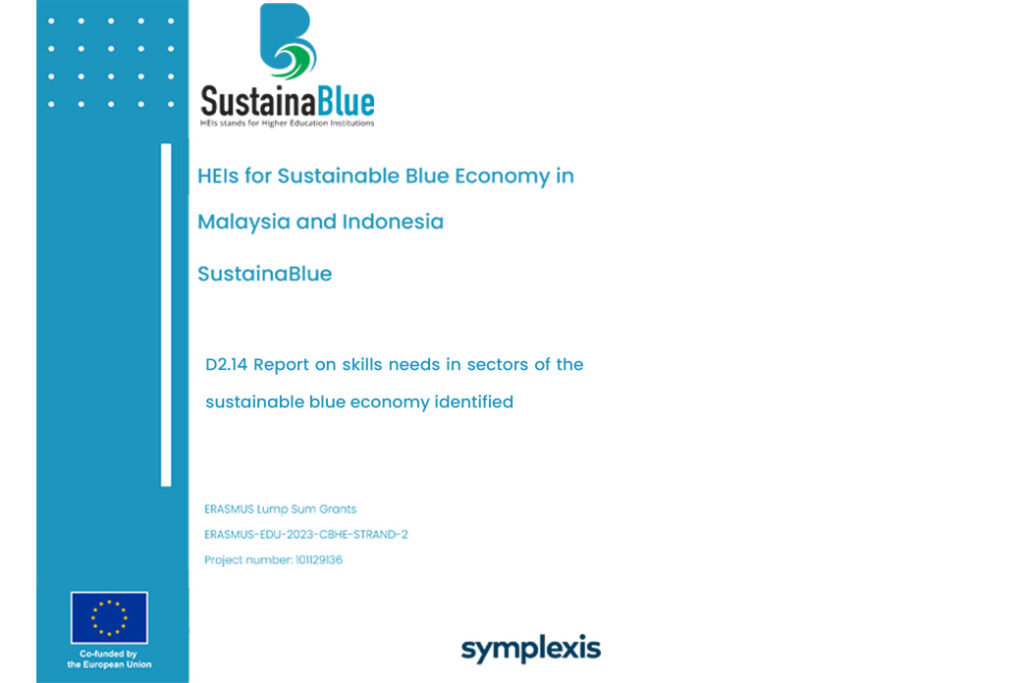
The study highlights important potential gaps and problems in Malaysia’s & Indonesia’s labour market skills assessment. Making sure the workforce has the necessary skills is essential as the economy expands and technology develops. The studies find significant skills shortages, especially in digital literacy, technical proficiency, and green capabilities, using secondary data from government papers and industry studies. Despite advancements, there are still gaps in education, career training, and industry cooperation. Workforce growth is further hampered by gender inequality, informal employment, and restricted access to training in rural areas. The studies suggest enhanced digital skill programs, increased vocational training, and closer ties between the education sector and industry to address these problems. Through these initiatives, Malaysia & Indonesia will be able to develop a workforce that is competitive, talented, and prepared for the future.

Read the document in three languages (EN, MY, ID)

SBECs: Knowledge transfer activities for local coastal communities

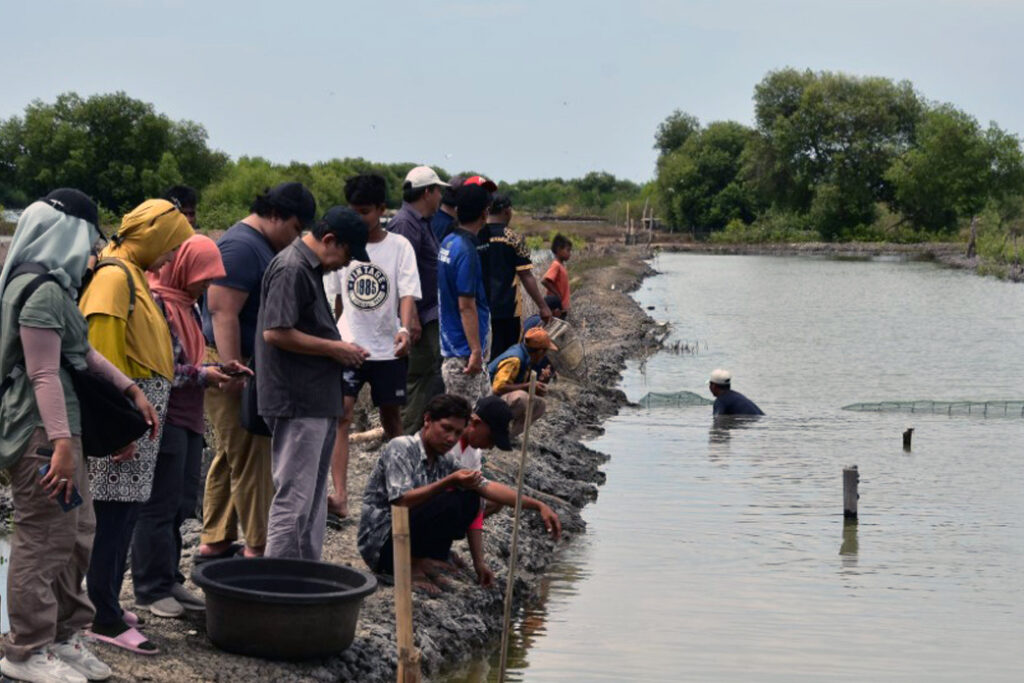
The Sustainable Blue Economy Centres design and implement knowledge transfer activities centered on the 8R-Nature-centric Blue Economy philosophy to support local coastal communities. Each Centre hosts workshops for fishermen, aquaculture operators, and entrepreneurs to introduce the benefits of sustainable marine resource use. To engage the next generation, academic staff and students conduct educational roadshows in primary and secondary schools featuring relevant material on ocean health. Additionally, the SBECs offer short training programmes that empower young volunteers to become agents of change by organizing local initiatives such as beach clean-ups and recycling events.

SustainaBlue Project
Privacy Overview

This website uses cookies so that we can provide you with the best user experience possible. Cookie information is stored in your browser and performs functions such as recognising you when you return to our website and helping our team to understand which sections of the website you find most interesting and useful.