17 May The SustainaBlue Project and the Sustainable Blue Economy Centers (SBECs) cultivate future ocean heroes through interactive school roadshows
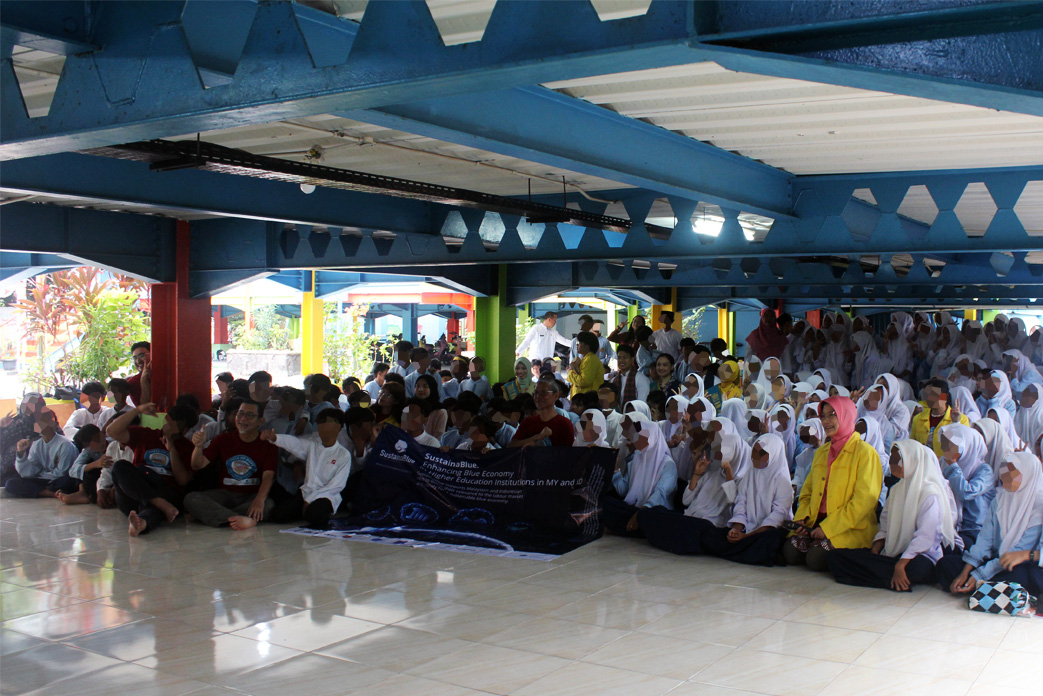
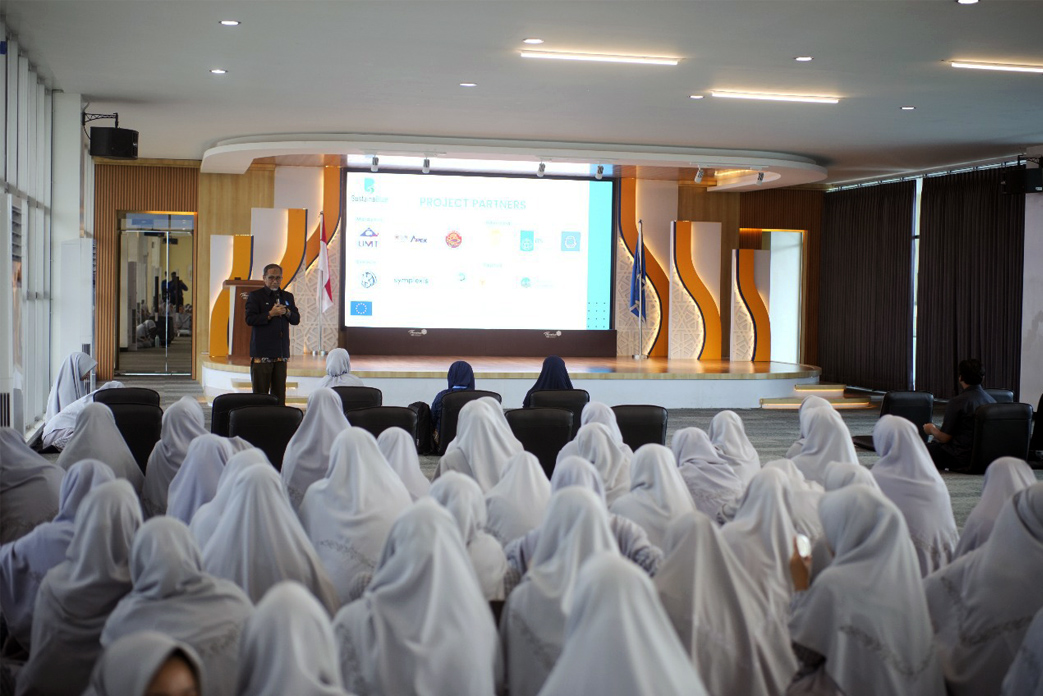
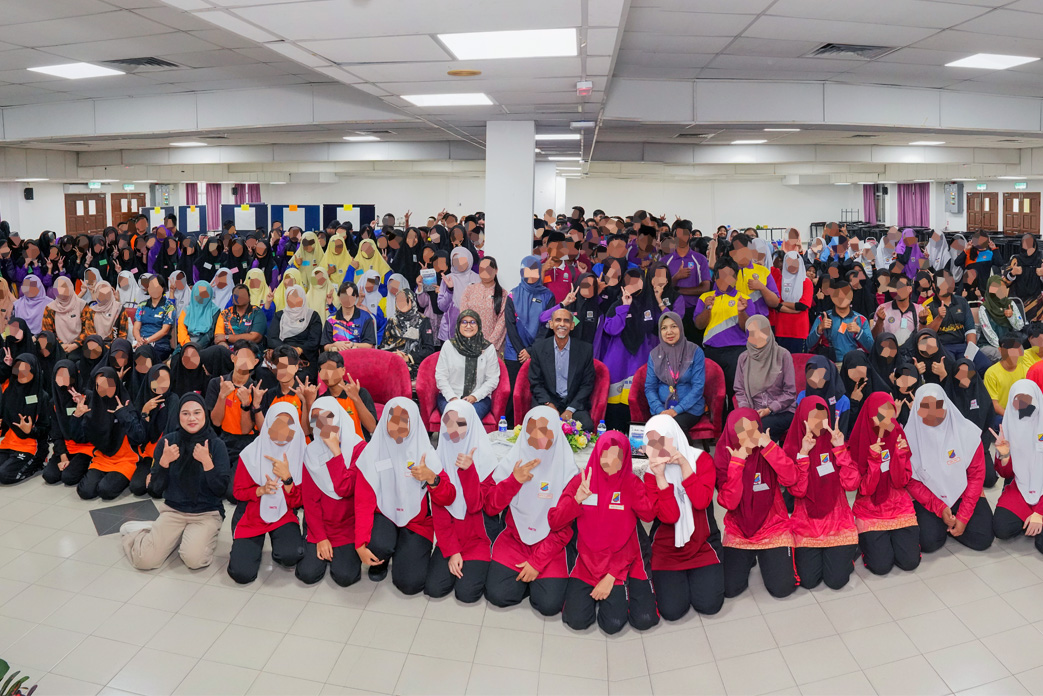
The four Sustainable Blue Economy Centers (SBECs) established by UMT and USM in Malaysia, and UI and ITS in Indonesia continue to empower local coastal communities, this time through roadshow activities carried out for primary and secondary schools in local communities. These activities were designed and implemented by academic staff from the four HEIs, in cooperation with their students, to raise early awareness about marine conservation and a sustainable blue economy.
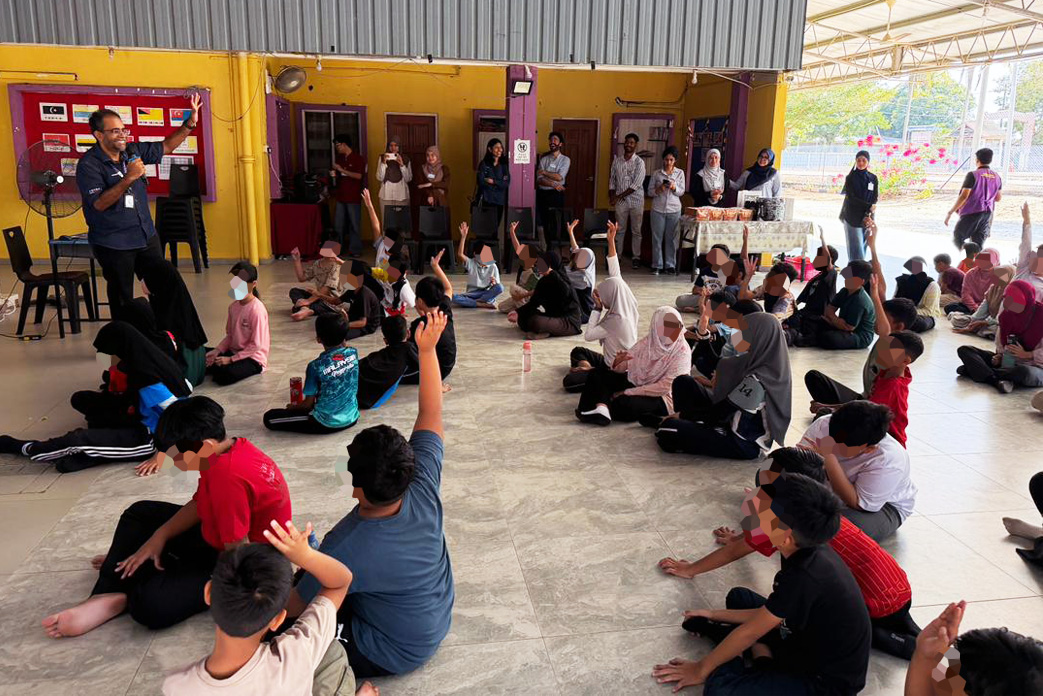
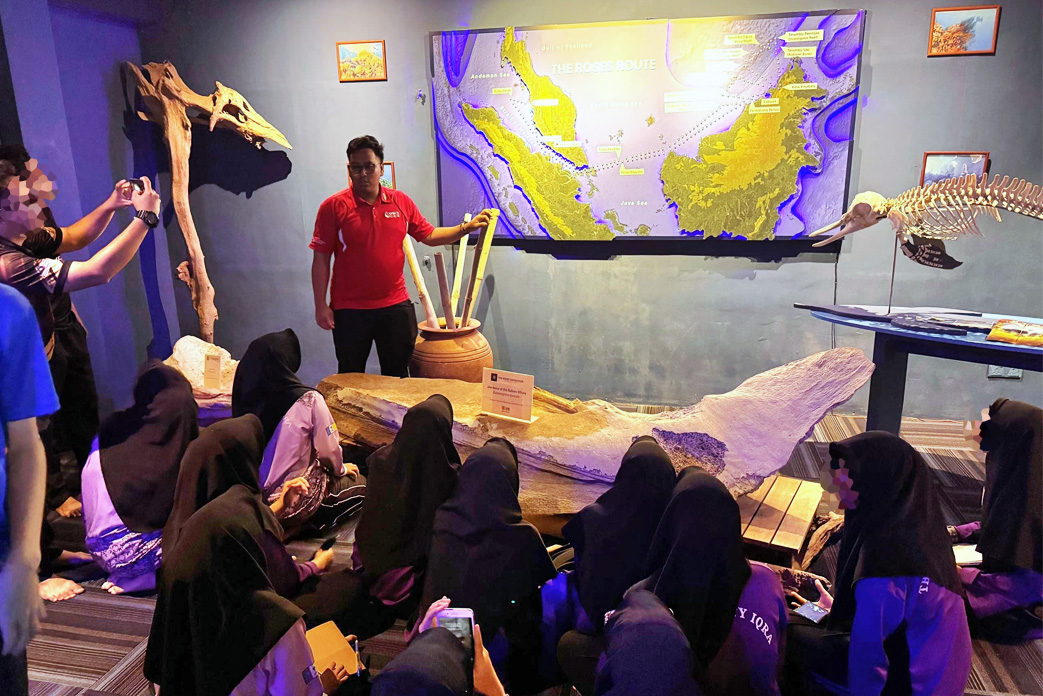
The UMT team implemented three programs for students aged 4 to 17, simplifying complex issues such as marine pollution, food security and the vital role of women in the maritime sector. Meanwhile, the USM team also combined theory with experiential learning, hosting students at the research station and campus facilities of the Centre for Marine and Coastal Studies (CEMACS), bringing students into direct contact with marine biodiversity, monitoring technologies and aquaculture hatcheries.
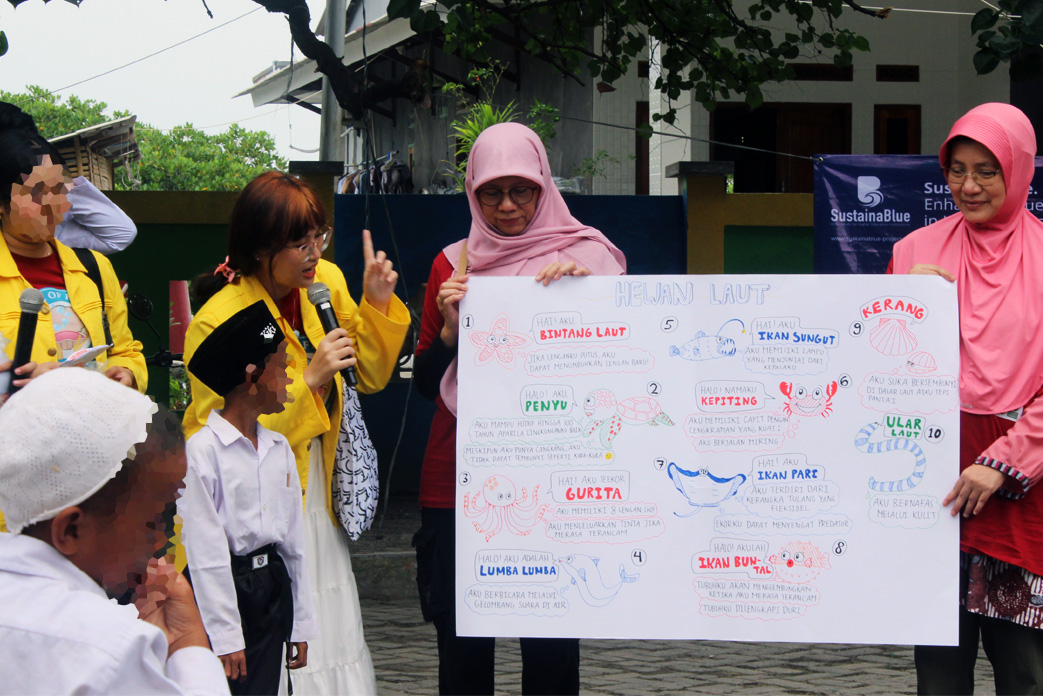
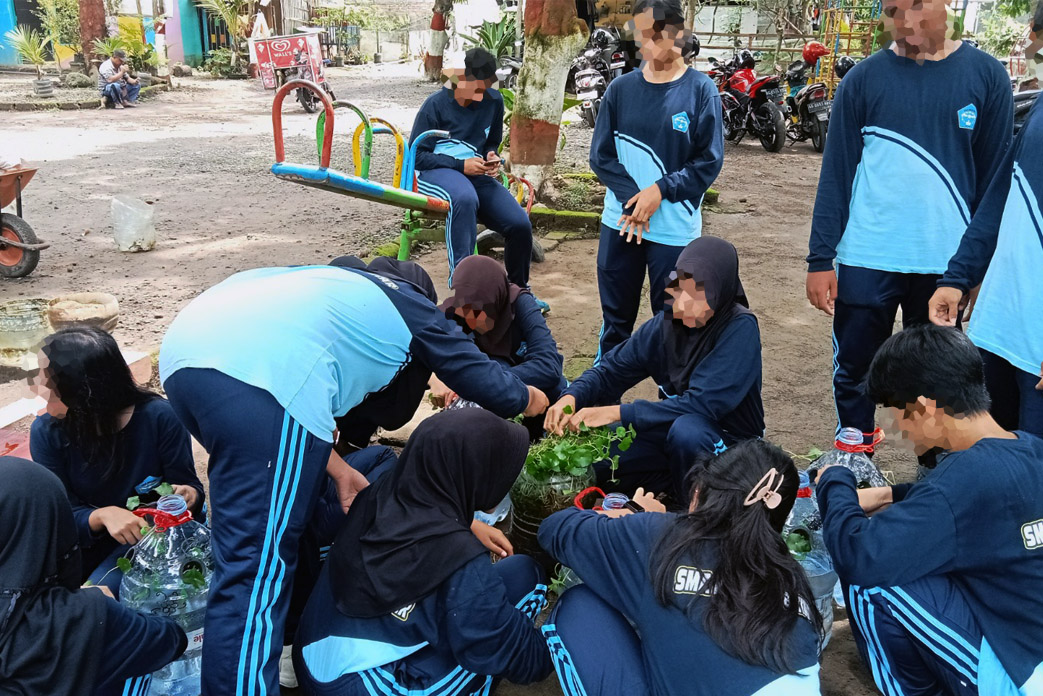
Similarly, in Indonesia, the roadshow activities took a deeply community-based approach to address local challenges in the marine and coastal environment. The UI team implemented extensive activities across five schools, including some in remote areas of Indonesia. The team utilized specialized lectures to highlight the ecological benefits of marine resource management, while also introducing older students to the advanced concept of marine resource bioprospecting and its development into value-added products. At the same time, ITS integrated real-world applications into its roadshows, showcasing a zero-waste circular business model and practical environmental projects such as waste management through eco-enzymes.
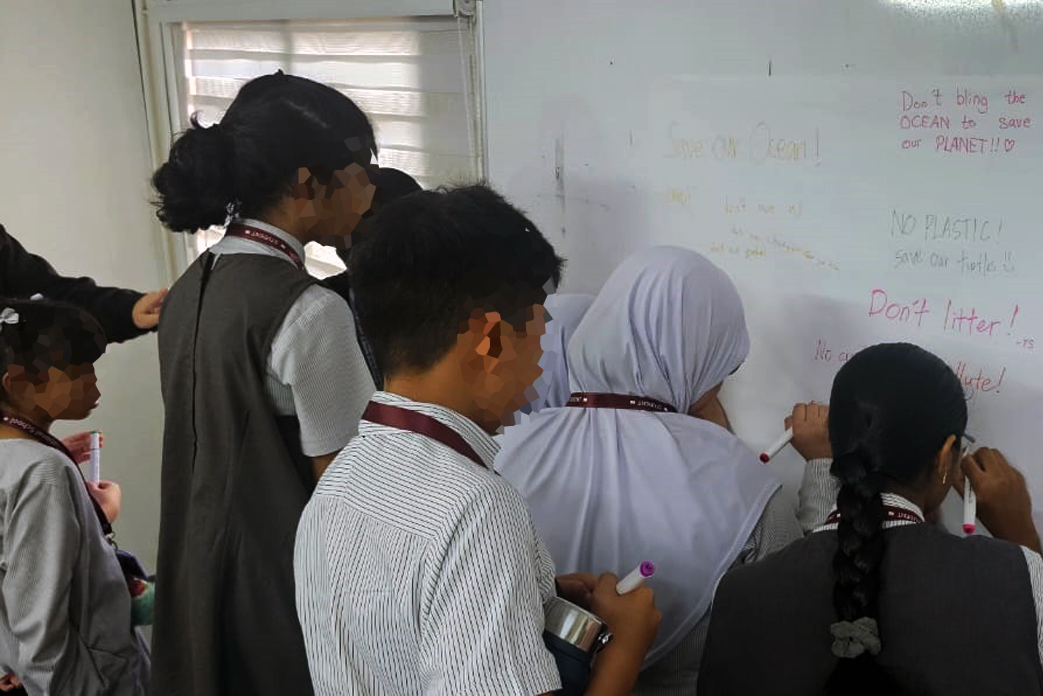
All four SBECs emphasized replacing traditional lectures with dynamic, interactive learning methods. The sessions were implemented through interactive activities, such as matching memory card games, global pathway mapping on world maps, DIY coral ecosystem building, and sorting challenges. Students in both countries showed great interest and enthusiasm, actively demonstrated their understanding through specially designed assessment tools. In addition to gaining important knowledge, the young students became aware of the challenges facing marine and coastal ecosystems around the world, understanding the importance of becoming active citizens by adopting sustainable daily habits. The students’ active and enthusiastic participation was also expressed in their shared desire to become the next generation of ocean heroes.